
Alignment in Trading: Why Most Traders Struggle Despite Good Strategies
Most traders don’t struggle because of strategies. This insight series explores alignment, temperament, and decision-making to help traders build sustainable consistency.
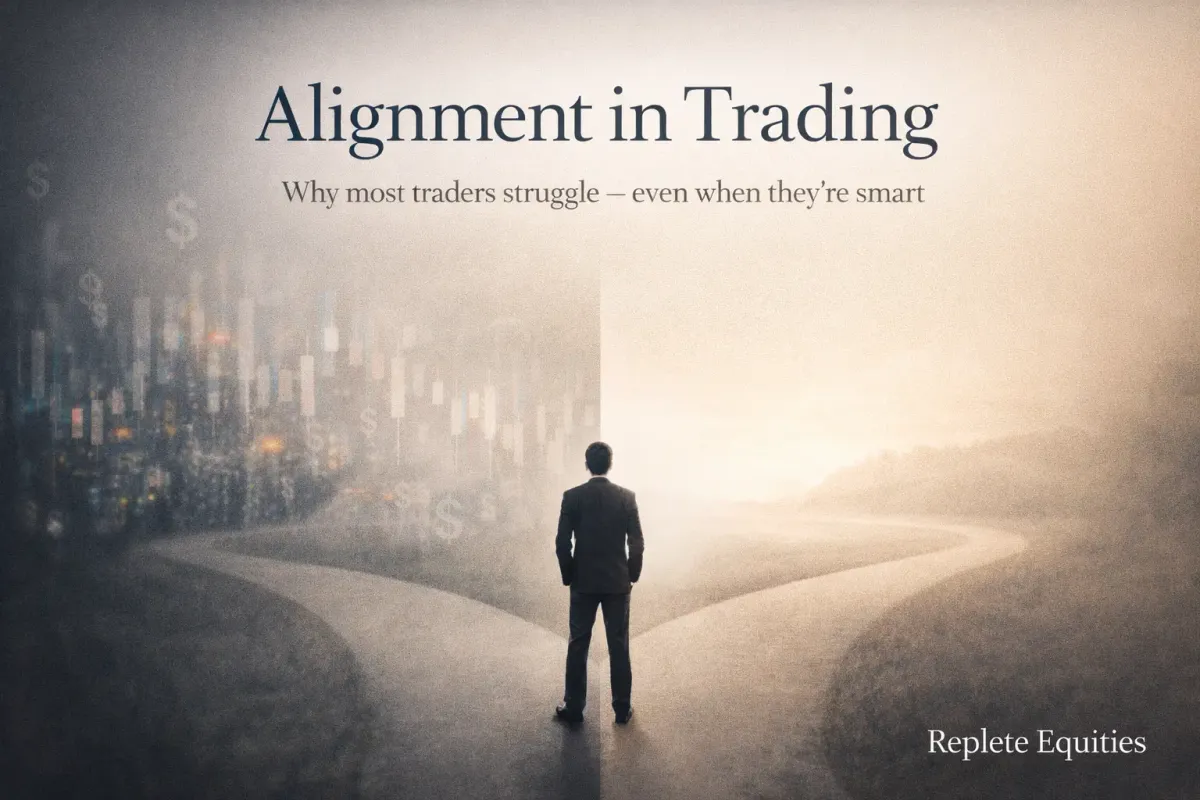
Most trading problems are explained using strategies, indicators, or discipline.
This series takes a different approach.
It explores a quieter, often ignored reason why many capable traders feel stuck, stressed, or inconsistent — misalignment between who they are and how they participate in markets.
These articles are not about setups or signals.
They are about decision-making, temperament, expectations, and sustainability.
Read them slowly.
They’re meant to change how you think before you change what you do.
A 4-Part Insight Series on Why Most Traders Struggle (Even When They’re Smart)
What This Series Covers
Across four connected articles, we explore:
- Why emotional comfort is often mistaken for correctness
- Why learning more doesn’t always lead to clarity
- Why changing strategies rarely fixes deeper issues
- Why alignment matters more than tactics in the long run
Each piece stands alone, but together they form a complete perspective.
The Articles
1️⃣ The Most Expensive Trading Mistake Nobody Talks About
Focus: Emotional comfort vs correctness
This article explores how traders unknowingly optimise for comfort instead of alignment — and why this quietly erodes consistency over time.
👇Read Article 1:
 Sachin Sival
2️⃣ Why Smart Traders Still Feel Stuck (Even After Learning a Lot)
Focus: Knowledge without fit
A deep look at why capable, well-read traders often feel stagnant — and how misalignment between temperament, effort, and expectations creates hidden friction.
👇 Read Article 2:
 Sachin Sival
3️⃣ Before You Change Your Trading Strategy, Ask Yourself This One Question
Focus: Role clarity
This article challenges the reflex to change strategies and instead asks a more important question: Is the problem the strategy, or the role you’re trying to play?
👇Read Article 3:
 Sachin Sival
4️⃣ Trading Isn’t a Strategy Problem. It’s an Alignment Problem.
Focus: Synthesis & closure
The concluding piece ties everything together and explains why clarity about participation always comes before execution.
👇Read the Conclusion:
 Sachin Sival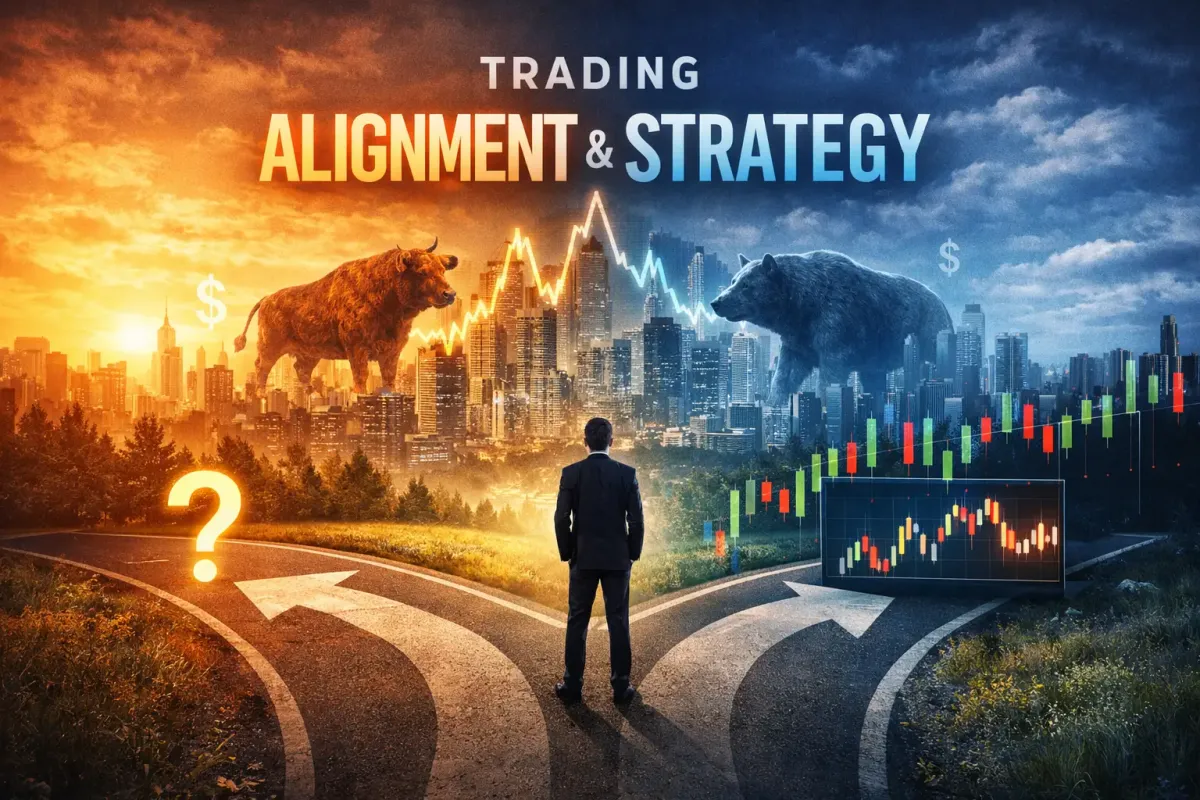
Who This Series Is For
This series is especially relevant if:
- You’ve learned the basics but still feel uncertain
- You keep switching approaches without long-term confidence
- You feel mentally exhausted even when results aren’t terrible
- You want to trade or invest in a way that feels sustainable
If you’re looking for “what to trade,” this may not be for you.
If you’re trying to understand how to participate without fighting yourself, this series will help.
How to Read This Series
There’s no rush.
You don’t need to agree with everything.
You don’t need to act immediately.
The goal is not urgency.
The goal is clarity.
Many good decisions in markets begin by knowing what to ignore.
A Quiet Next Step (Optional)
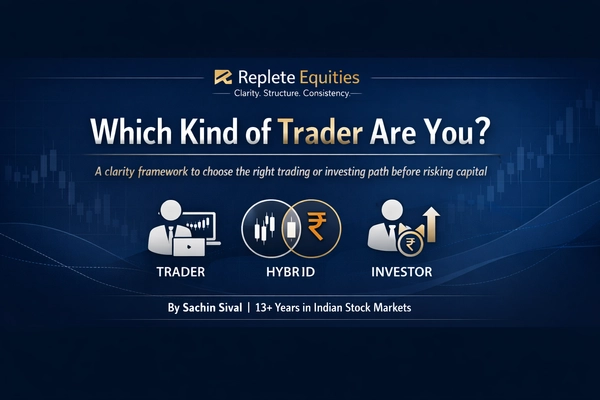
If these ideas resonate, I’ve organised the reflections from this series into a short clarity framework called “Which Kind of Trader Are You?”.
It’s not a strategy guide.
It doesn’t offer tips or shortcuts.
It simply helps you reflect on:
- how you respond to uncertainty
- what kind of market participant you are
- and where you should realistically start
👇 What Kind of Trader Are You? 👇

Read it only if clarity feels more useful than speed.
Author
Sachin Sival
Founder, Replete Equities
Writing about market behaviour, alignment, and sustainable decision-making.

Comments ()